
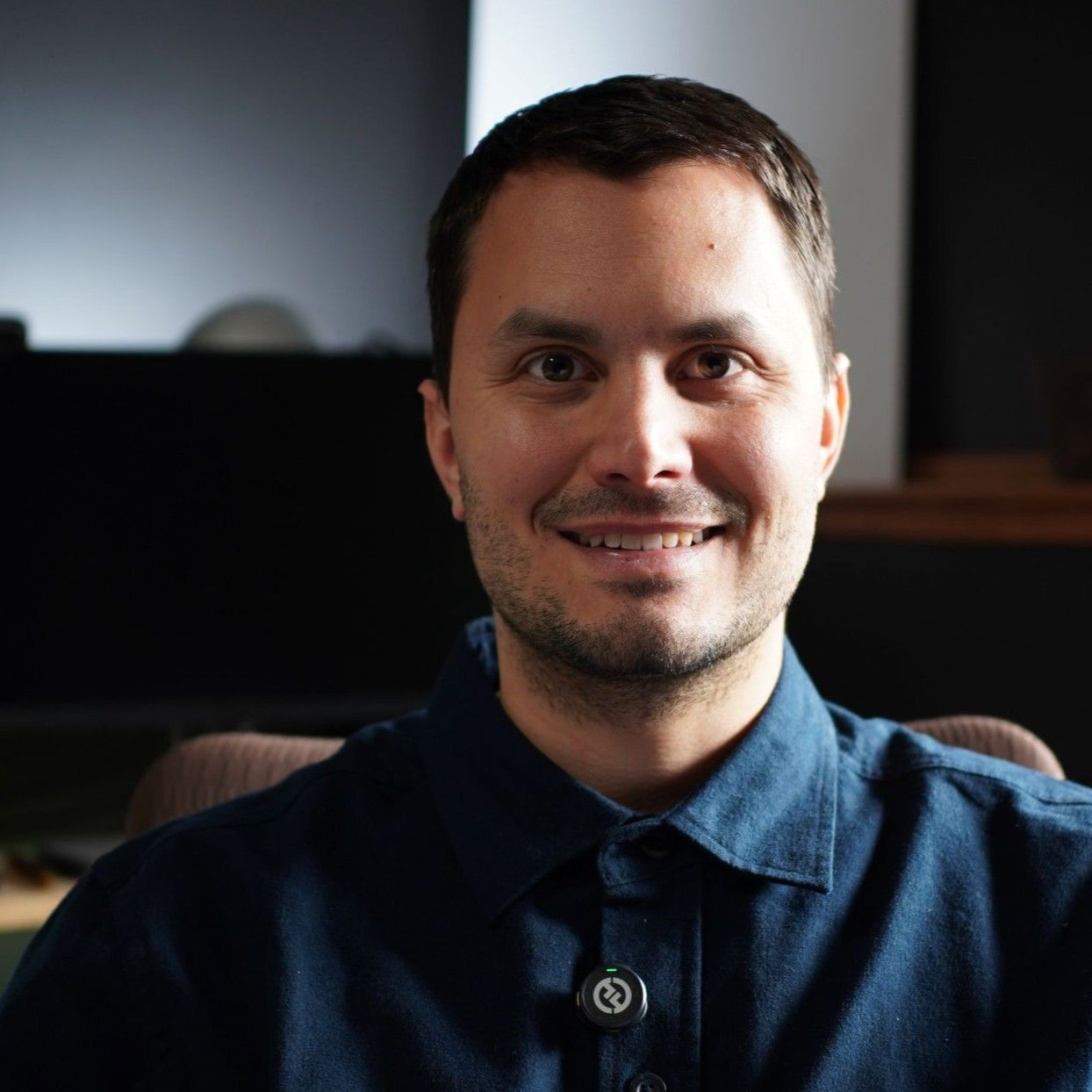
When an owner tells me they are not good on camera, I do not treat that as a reason to avoid video. I look at what we are asking them to do. Explaining their work in a conversation is a different task from performing a memorized advertisement.
Prepare the question, not the performance
I use research questions and a production plan before the shoot. The owner can think about the topic and the examples without having to rehearse every word.
A good prompt asks about something specific: what happens first, what customers worry about, or why a process is done a certain way. The person can draw on knowledge they already use in the business.
Give the answer somewhere to go
Sometimes a demonstration is more natural than a static explanation. Showing a tool, walking through a space, or pointing to part of a process gives the answer a concrete subject.
The choice depends on the situation and the footage we need. The aim is not to keep someone moving for visual effect. It is to make the explanation easier to give and easier to understand.
Leave room for another take
The finished piece is edited. An answer can be restarted. A useful sentence can come after the first attempt. Knowing that often removes some of the pressure to deliver a perfect version immediately.
We capture supporting footage so the edit can show what is being described. That also helps the final video feel like a story about the work instead of an uninterrupted performance.
Keep the person’s own language
The Quimbys project began with Dustin explaining the business and its repair process. His answers informed the website, advertising, and social content. The point was not to make him sound like an agency copywriter.
Specific details and natural wording make the material recognizably about that business. We still edit for clarity and length, but the useful substance comes from the person doing the work.
What the business needs to bring
Know the topics, make the right people available, and help us understand any limits on filming. Tell us if a customer, workspace, or process should not appear. You do not need to arrive with a polished speech.
Our video production approach includes planning, review, and delivery. If being on camera is the concern holding the project back, it is worth talking through the setup before deciding the answer is no.